




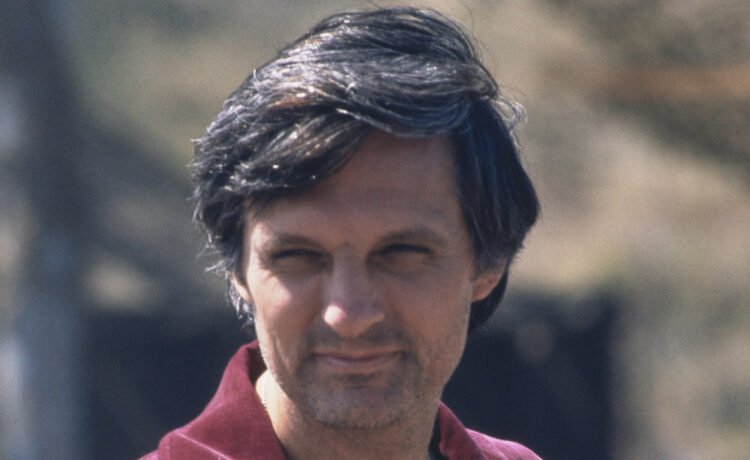
When fans think about shows that changed television forever, it’s a given to include “M*A*S*H” on that list. The series, which was created by Larry Gelbart and Gene Reynolds, is a generational classic, with its reputation stemming from its balance of levity and the realities of wartime turmoil. But that balance had to begin somewhere, and it infuriated network executives at CBS at first.
It began with “Sometimes You Hear a Bullet,” the seventeenth episode of Season 1 of “M*A*S*H,” which shifted the show’s tone from humor to serious introspection. But before the show even began, star Alan Alda wanted to make sure the show would have that tonal balance.
“I wanted us all to agree that we wouldn’t just have high jinks [sic] at the front. That it would take seriously what these people were going through,” Alda told the New York Times in a 2022 interview about the series. “The wounded, the dead. You can’t just say it’s all a party.”
Alda, who wore the dog tags of real soldiers when he played Dr. “Hawkeye” Pierce, went on to reveal that writers originally came up with several sillier storylines for the first season, thinking that was what Gelbart and Reynolds wanted — and then a tonal shift swept through.
M*A*S*H made changes for the good of the show
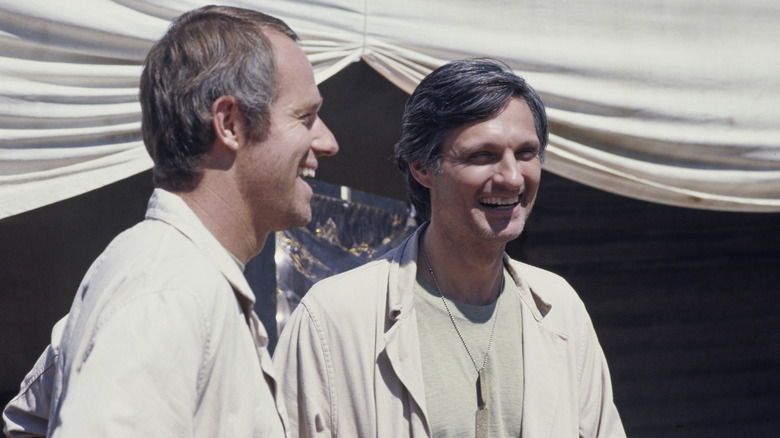
“Larry Gelbart rewrote most of the shows the first season,” Alan Alda explained. “Midway through the first season, there was a show called ‘Sometimes You Hear the Bullet,’ and that was a real turning point. Because in that show, a friend of Hawkeye’s shows up among the wounded, and he dies on the operating table. That’s the moment where McLean Stevenson [as Lt. Col. Henry Blake] says: ‘There’s two rules in war: Young men die, and then Rule 2 is there’s nothing you can do about it.’ Something like that.”
The quote is close enough, and the heaviness of the episode’s subject matter made CBS angry and uneasy about the direction the show was going in. “The network was furious about this,” Alda continued. “Some guy in charge of programming said, ‘What is this, a situation tragedy?'” But viewers responded positively to the change in tone, and that led to the show’s legendary 11-season run. “Soon after that, we were getting more popular. And the more popular you get, the less they complain,” Alda noted.
“M*A*S*H” debuted in 1972 and concluded in 1983 after 256 episodes. The show was based on the 1968 novel and 1970 film of the same name, and made changes its stars appreciated, while keeping the essence of both works. The final episode of the series — one of five sitcom episodes guaranteed to leave you in tears — remains the most watched non-Super Bowl program ever made.

Leonard Nimoy Directed An Episode Of William Shatner’s First Post-Star Trek TV Hit
Sunset Boulevard/Getty Images William Shatner and Leonard Nimoy portrayed Captain...

A Tribe Swap Shakes Up The Game — Who Was Voted Out?
Robert Voets/CBS Twenty-one castaways playing in the sand,For this milestone...

Who Stephen Colbert Plays In Star Trek: Starfleet Academy
Taylor Hill/Getty Images Stephen Colbert has become one of the...

Emily Osment On Mandy Quitting Her Job
Behind the scenes, co-creator Steve Holland says Mandy's dramatic on-air resignation wasn't always part of the plan. The writers knew...


