





New research in Plants, People, Planet indicates that bread wheat’s micronutrient content can be increased by cultivating it with a specific type of fungus.
When investigators grew different types of wheat with and without the arbuscular mycorrhizal fungus Rhizophagus irregularis, they observed that crops grown with fungi developed larger grains with greater amounts of phosphorus and zinc. The higher amount of phosphorus in the grain did not result in an increase in phytate (a compound that can hinder digestion of zinc and iron). As a result, bread wheat grown with fungi had higher bioavailability of zinc and iron overall compared with bread wheat grown in the absence of fungi.
“Beneficial soil fungi could be used as a sustainable option to exploit soil-derived plant nutrients. In this case, we found potential to biofortify wheat with important human micronutrients by inoculating the plants with mycorrhizal fungi,” said corresponding author Stephanie J. Watts-Williams, PhD, of the University of Adelaide, in Australia.
Rhizophagus irregularis is a species of arbuscular mycorrhizal fungus that forms beneficial relationships with the roots of many types of plants. It helps plants take in more nutrients—especially phosphorus and micronutrients—by extending its thin, root-like structures deep into the soil.
This fungus is one of the most widely studied and used in agriculture and ecology because of its broad compatibility with crops and its ability to improve plant growth, health, and soil quality. By boosting nutrient uptake naturally, R. irregularis supports more resilient plants and reduces the need for chemical fertilizers, making it a valuable tool in sustainable farming and reforestation efforts.


This simple amino acid supplement greatly reduces Alzheimer’s damage
Alzheimer's disease (AD) is a progressive brain disorder and a leading cause of dementia worldwide. Despite years of research, there...

You don’t need intense workouts to build muscle, new study reveals
If you believe getting stronger requires pushing yourself to the limit at the gym, new research suggests otherwise. Findings from...
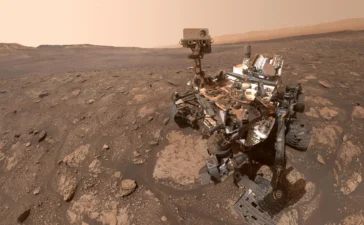
NASA Curiosity rover finds mysterious life linked molecules on Mars
NASA's Curiosity rover has identified a wide range of organic molecules on Mars, including compounds that scientists consider key ingredients...

Scientists just discovered Africa is closer to breaking apart than we thought
Eastern Africa's Turkana Rift is known both for its rich record of early human fossils and for intense volcanic activity...


