




‘The Big Short’ investor: As Trump mounts new tariffs, economy is experiencing ‘stagflationary period’

67Views

Following the latest round of tariffs, it’s only a matter of time before the other economic shoe drops, according to one investor who predicted the 2008 stock-market crash.
Danny Moses, the founder of Moses Ventures who was made famous by the book-turned-movie “The Big Short,” warned that despite some strong economic indicators in the face of tariff uncertainty, signs of stagflation are already upon us.
“There’s just so many moving parts right now that it’s really hard to decipher where you’re going to pinpoint,” Moses told Fortune. “Anyone can find a data point that says it’s inflationary, and someone can find a data point that says it’s not. So it’s just difficult. But bottom line… Is the [economy] going through a stagflationary period? It appears to me, it is.”
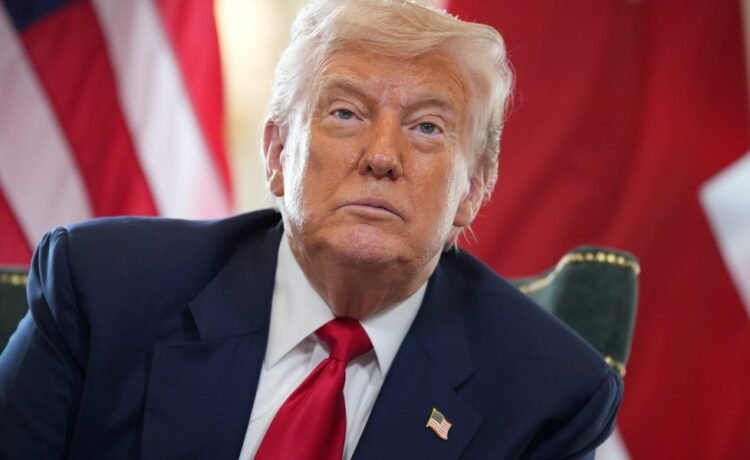
President Donald Trump announced on Friday a new round of sweeping tariffs, including a 39% tax on Swiss exports and 35% tax on some Canadian exports to the U.S. The administration is extending the trade-deal deadline to other countries including Mexico, America’s largest trade partner, which is getting an extra 90 days. The logic behind the tariffs differs slightly from previous rounds, where Trump has argued the need for levies as a means to eliminate trade deficits. The U.S. for example, has had a trade surplus with Brazil for about a decade. Instead, Trump has imposed steep tariffs on Brazil for political reasons, such as the prosecution of ally and former Brazilian President Jair Bolsonaro, who was accused of plotting a coup following his loss of the presidential election.
Markets dipped after the announcement—as well as a weaker-than-expected jobs report— following a week-long rally of strong earnings and fading trade-war fears. But Moses said the latest round of tariffs have once again stirred anxiety about the economy’s future, making investors “a little bit more concerned about the unpredictability of what’s coming out.”
“Nobody knows how this is going to pan out, because this type of thoughtless tariff is unprecedented,” Moses said.
Where’s the stagflation?
Fears of stagflation, or the stagnation of economic growth coinciding with inflation, have been easing, particularly following the Wednesday GDP data showing a rebound in U.S. economic growth in the second quarter of the year. This followed a negative first-quarter GDP estimate that was largely a result of the timing of trade chaos forcing companies to stockpile on goods before pricing in consumers purchasing that inventory. Ultimately, though, the second-quarter growth undid the first quarter’s contraction, and economic growth ultimately slowed the first half of the year.
White House spokesperson Kush Desai told Fortune in a statement that recovering growth and “cooling inflation” “suggest stagflation is simply the latest buzzword for panican [sic] paranoia.”
Moses said the economy has not yet seen the full impact of the tariffs. Fed Chair Jerome Powell held interest rates steady this week and said more information is needed to deliver a rate cut.
“Higher tariffs have begun to show through more clearly to prices of some goods, but their overall effects on economic activity and inflation remain to be seen,” Powell told reporters following the Fed meeting on Wednesday. “A reasonable base case is that the effects on inflation could be short-lived—reflecting a one-time shift in the price level. But it is also possible that the inflationary effects could instead be more persistent, and that is a risk to be assessed and managed.”
Not only will inflation likely increase as it has already begun to do, albeit modestly, Moses said, but companies will continue to confront the impact of tariffs. Apple was the latest giant to feel the burn from tariffs, reporting on Friday strong earnings, but a $1.1 billion hit from the levies. As companies continue to reckon with the impact of tariffs, they will likely choose to both eat margins and compromise growth, as well as raise prices on goods, according to Moses, with stagflation being the most probable outcome.
“Pick your poison,” Moses said. “It’s either going to hit corporate margins and earnings will go down, which means the market’s expensive, or it’ll be passed on to the consumers and be inflationary. I think it’s going to be a combination of both.”

ABC cancels new ‘Bachelorette’ season after video emerges of star committing domestic abuse
ABC has scrubbed the upcoming season of “The Bachelorette,” starring Taylor Frankie Paul, three days before its planned premiere, citing a newly...
McDonald’s newest $3 value menu is sounding an alarm about America’s K-shaped economy
McDonald’s is rolling out its cheapest value menu in years, a move that could speak more to the state of...

Iran openly threatens neighbor’s non-U.S. assets for first time, telling UAE ports to evacuate
Iran issued an evacuation warning for three major ports in the United Arab Emirates on Saturday, including the busiest in...
King penguins are a rare species seemingly benefiting from climate change. Here’s why
The warming world has disrupted the timing for plant and animal reproduction, and it’s usually bad news for species that...


