




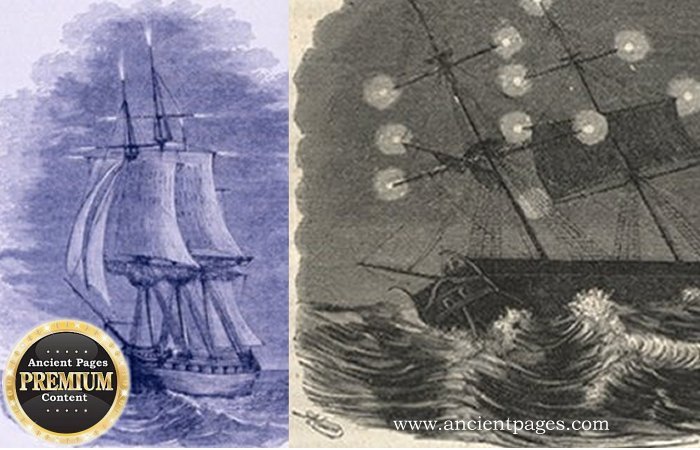
Conny Waters – AncientPages.com – St. Elmo’s Fire is a fascinating atmospheric phenomenon that has been observed by sailors for centuries. This natural occurrence is characterized by a bright blue or violet glow that appears to surround ships during certain weather conditions. The phenomenon was first documented by Pliny the Elder in the 1st century A.D., who described blue flames appearing during thunderstorms.

The name “St. Elmo’s Fire” is derived from St. Erasmus, also known as St. Ermo, the patron saint of Mediterranean sailors. Over time, “St. Ermo” was mispronounced as “St. Elmo,” leading to the current name of the phenomenon.
Throughout history, many notable figures, including Christopher Columbus, Ferdinand Magellan, and Julius Caesar, have reported witnessing St. Elmo’s Fire during their voyages. Sailors traditionally viewed this luminous display as a good omen and a sign that their prayers had been answered.

This is a preview of our premium article available only to members of Ancient Pages.
Become a member to read more – Click here
If you are already a member and have logged in to your account, you can access the article here

See also:
Why Couldn’t European Sailors Swim In The Past?
What Happened To The Pythagorean Brotherhood?
Why Were Uncomfortable Poulaines High Fashion During The Middle Ages?


What They Never Told Us About Lullabies When We Were Children (Or Adults)
Conny Waters - AncientPages.com - Lullabies are gentle bedtime songs lovingly used to help children relax and drift into a...
Bertrand du Guesclin: ‘Eagle Of Brittany’ Brave, French Commander And His Clash With Sir Thomas Of Canterbury
A. Sutherland - AncientPages.com - Bertrand du Guesclin distinguished himself in the Hundred Years ' War, winning many victories and...
Bees – Embodiment Of Human Soul, Divine Messengers Symbolizing Invisible Bridge Connecting Life And Death
A. Sutherland - AncientPages.com - Bees are among the most recognized insects, featured in ancient myths and folklore across many...

The Idiot Who Was Desperate To Buy Some Brains – Funny Legend With An Unexpected Ending
Ellen Lloyd - AncientPages.com - Let’s be honest—whether you call them idiots, fools, imbeciles, or cretins, we can all agree...


