




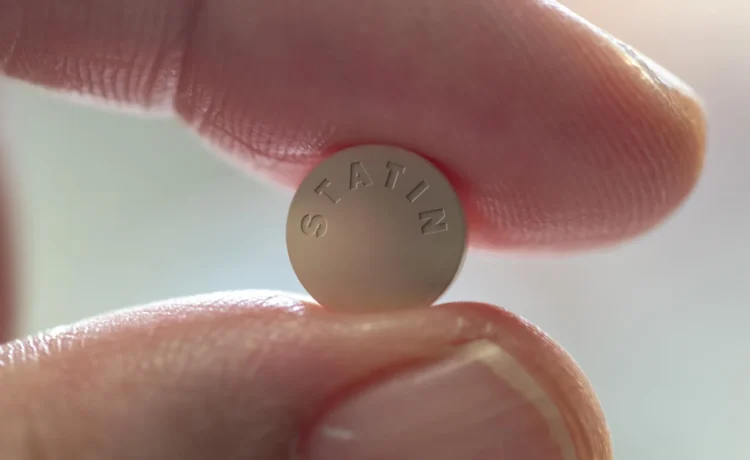
Statins have dramatically improved cardiovascular health by lowering cholesterol and cutting the risk of heart attacks and strokes for millions of people. Despite these benefits, many patients experience unwanted side effects. These can include muscle pain and weakness, and in rare situations, a dangerous breakdown of muscle tissue that can lead to kidney failure.
Scientists at the University of British Columbia, working with collaborators at the University of Wisconsin-Madison, have now identified what triggers these muscle-related problems. Their research, published in Nature Communications, points toward a path for developing safer statins that do not cause these complications.
How Statins Interact With Muscle Cells
To uncover the mechanism, the researchers turned to cryo-electron microscopy, an advanced imaging method that allows scientists to see proteins in near-atomic detail. Using this technique, they observed how statins interact with a key muscle protein known as the ryanodine receptor (RyR1).
This protein regulates the flow of calcium inside muscle cells, acting as a gate that opens only when muscles need to contract. The researchers found that when statins bind to RyR1, they force the channel into an open position. This causes calcium to leak continuously, which can be toxic to muscle tissue and lead to damage.
“We were able to see, almost atom by atom, how statins latch onto this channel,” said lead author Dr. Steven Molinarolo, a postdoctoral researcher in UBC’s department of biochemistry and molecular biology. “That leak of calcium explains why some patients experience muscle pain or, in extreme cases, life-threatening complications.”
A Unique Binding Pattern Revealed
The study focused on atorvastatin, one of the most commonly prescribed statins worldwide. However, the researchers believe the same mechanism may apply to other drugs in the statin family.
They discovered that statins bind to the ryanodine receptor in an unusual way. Three statin molecules cluster together inside a pocket of the protein. The first molecule binds while the channel is closed, setting the stage for it to open. Two additional molecules then lodge into place, forcing the channel fully open.
“This is the first time we’ve had a clear picture of how statins activate this channel,” said Dr. Filip Van Petegem, senior author and professor at UBC’s Life Sciences Institute. “It’s a big step forward because it gives us a roadmap for designing statins that don’t interact with muscle tissue.”
Toward Safer Cholesterol Drugs
By modifying only the parts of the statin molecule responsible for these harmful interactions, researchers may be able to keep the cholesterol-lowering benefits while reducing the risk of muscle damage.
Severe muscle injury affects only a small percentage of the more than 200 million statin users worldwide. However, milder symptoms such as soreness and fatigue are far more common and often cause patients to stop taking the medication. The new findings could help reduce these side effects and encourage patients to stay on treatments that protect their heart health.
Advanced Imaging Drives Medical Breakthroughs
The study highlights how cutting-edge imaging tools are transforming medical research. Using the UBC faculty of medicine’s high-resolution macromolecular cryo-electron microscopy facility, the team captured the statin-protein interaction in exceptional detail, turning a long-standing safety question into actionable scientific insight that could shape future therapies.
“Statins have been a cornerstone of cardiovascular care for decades,” Dr. Van Petegem said. “Our goal is to make them even safer, so patients can benefit without fear of serious side effects.”
For the millions of people who depend on statins, these advances could translate into fewer muscle problems and a better overall quality of life.

Scientists say 7 days of meditation can rewire your brain
Researchers at the University of California San Diego report that a weeklong program combining meditation and other mind-body techniques can...
Binge drinking just once a month may triple your risk of liver scarring
LOS ANGELES — People may assume that if they drink lightly during the week or month, heavy drinking on the occasional Friday or Saturday may not cause...

Scientists found a baby dinosaur hidden in rock and it is surprisingly cute
In South Korea, a playful green cartoon dinosaur named Dooly, known for the two small tufts of hair on his...
This hidden state of water could explain why life exists
Researchers at Stockholm University have used advanced x-ray lasers to uncover a long-suspected feature of water: a critical point that...


