






Saudi Arabia, Russia and six other key members of the OPEC+ alliance on Saturday said they would further increase oil output in August to 548,000 barrels per day.
Analysts had expected the alliance to decide on another output increase of 411,000 bpd — the same target approved for May, June and July.
The group said in a statement that “a steady global economic outlook and current healthy market fundamentals, as reflected in the low oil inventories” led to the decision to further hike output.
Jorge Leon of Rystad Energy told AFP that “OPEC+ keeps surprising the market — this latest hike was even larger than expected and sends a clear message, for anyone still in doubt: the group is firmly shifting toward a market share strategy.
“Two big questions now hang over the market: First, once the full 2.2 million barrels per day of voluntary cuts are unwound, will OPEC+ target the next tier of 1.66 million barrels? And second, is there enough demand to absorb it?
“With prices holding comfortably above $60 and a turbulent geopolitical backdrop — especially given the fragile ceasefire in the Middle East, and broader risks in Ukraine and Libya — the answer to both questions might well be ‘yes’.”
UBS analyst Giovanni Staunovo said that “effectively Kazakhstan and Iraq still overproducing their higher quotas is a factor supporting the cut unwind decision” on Saturday.
The meeting comes after a 12-day conflict between Iran and Israel, which briefly sent prices above $80 a barrel amid concerns over a possible closing of the strategic Strait of Hormuz, a chokepoint for about one-fifth of the world’s oil supply.
The wider OPEC+ group — comprising the 12-nation Organization of the Petroleum Exporting Countries (OPEC) and its allies — began output cuts in 2022 in a bid to prop up prices.
But in a policy shift, eight alliance members spearheaded by Saudi Arabia surprised markets by announcing they would significantly raise production from May, sending oil prices plummeting.
Oil prices have been hovering around a low $65-$70 per barrel.
By approving another output hike, heavyweight Saudi Arabia might seek to up pressure on members for not keeping to agreed quotas via slashing expected oil profits due to lower prices.
An estimate by Bloomberg showed that the alliance’s production increased by only 200,000 bpd in May, despite doubling the quotas.
Introducing the 2025 Fortune 500, the definitive ranking of the biggest companies in America. Explore this year’s list.


Best LEGO Botanicals Deals on Amazon Spring Sale, Starting at $10
If there’s ever a time to finally justify adding to cart, it’s now. The Amazon Big Spring Sale 2026 is...

Megapot raises $5 million to create a crypto-powered global lottery
Most lotteries are contained within a country or a state, and much of the time, people have to go to...

Mikayla Matthews & Jace Terry Joke About Divorce Amid Separation
Mikayla Matthews and Jace Terry know their relationship woes are no secret. The Secret Lives of Mormon Wives stars—who detailed...
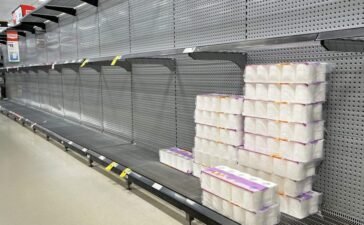
The great toilet paper panic is back as Japan starts stockpiling
As the U.S.-Israeli-Iran conflict rattles oil markets, Japanese consumers are stockpiling toilet paper—a product with no connection to the disruptions...


