




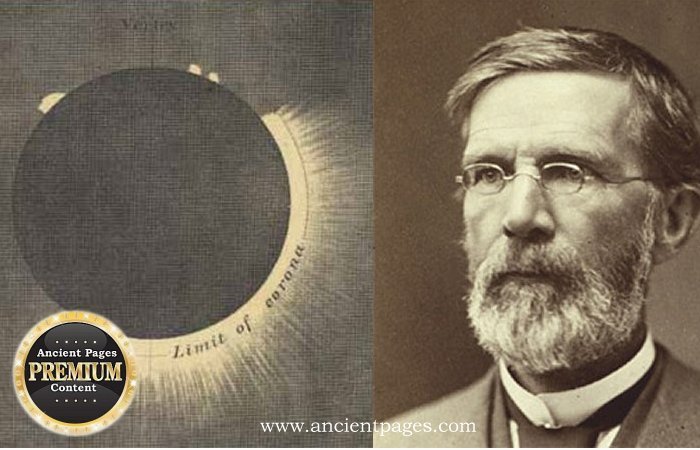
Conny Waters – AncientPages.com – Scientific curiosity and the pursuit of knowledge can sometimes be dangerous. This is a lesson American astronomer and geographer George Davidson learned when he traveled with his research team to Klukwan, near Haines in southeast Alaska, in 1869.

Ancient people have always been fascinated by solar eclipses, but their understanding of this natural phenomenon varied among civilizations. The famous Greek philosopher and scientist Thales of Miletus (625 BC – 545 BC), recognized as one of the Seven Sages of ancient Greece, was a brilliant astronomer who predicted a solar eclipse that occurred on May 28, 585 BC.
Davidson journeyed to Alaska with the goal of witnessing a total solar eclipse, but fate had other plans. Though things didn’t unfold as he expected, this unexpected turn marked the start of an extraordinary adventure, one that would leave an indelible mark on the scientist’s life and inspire him for years to come.
The remarkable timing of this natural phenomenon not only altered the course of events but also highlights the incredible ways in which nature can intervene and protect us, often when we least expect it.

This is a preview of our premium article available only to members of Ancient Pages.
Become a member to read more – Click here
If you are already a member and have logged in to your account, you can access the article here
See also:
Curious Encounter Between Inuit And Vikings Led To Something Surprising That Shaped History
Wupatki Ruins And Sacred Sunset Crater Of Ancestral Puebloans In Arizona

Why Did The Seven Sages Leave This Mysterious Symbol At The Temple Of Apollo – Was It A Message For Future Generations?
Ellen Lloyd - AncientPages.com - For more than 2,000 years, ancient and modern scientists have tried to decipher a mysterious...
Huge Scottish Neolithic Tombs Were Built To Trace Kinship And Lineages Over Centuries
Conny Waters - AncientPages.com - Archaeologists have uncovered compelling evidence of genetic connections among people buried in Neolithic chambered tombs in...
Enigma Of Lycurgus Of Sparta – Great Reformer And His Foundation Of A Warlike Superior State
Ellen Lloyd - AncientPages.com - Lycurgus is mentioned in many ancient sources, but most modern historians regard him as a...

First Evidence That Ancient Māori Ate Predominantly Plant-Based Diets Before Pākehā (European) Arrival
Conny Waters - AncientPages.com - A new scientific study is offering important insights into the Maori diet and burial practices in...


