



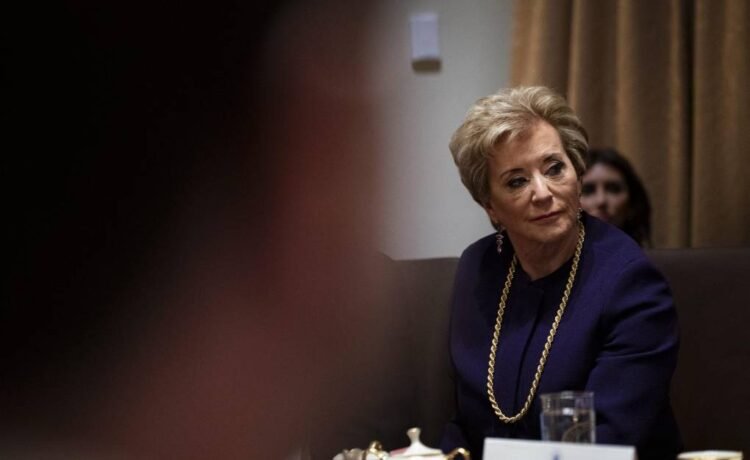
“This could not have come at a worst time for millions of Americans,” said Aissa Canchola Bañez, Policy Director for the Student Borrower Protection Center, a nonprofit group that aims to reduce student debt. Those borrowers, she added, “are already finding themselves having to navigate such incredible economic uncertainty over the last few months.”
She also points to the fact that older borrowers tend to face the greatest struggles in repaying their loans: nearly 40 percent of federal borrowers over the age of 65 were in default on their student loans, according to a 2017 report from the Consumer Financial Protection Bureau. “These are older folks who are on fixed incomes,” she says.
When borrowers fall behind, Bañez added, their credit scores can take a hit, making it harder to qualify for more credit and other loans for things like housing and other basic needs.
The Education Department said in its notice that, later this summer, it will begin the process of garnishing wages—meaning payments would be automatically deducted from borrowers’ paychecks.

Cursive Is Back. But Should Students Be Learning the Skill?
“I prefer writing in cursive,” Halle said. The pair are proud members of the Holmes Middle School cursive club in...

The AI ‘Hivemind’: Why So Many Student Essays Sound Alike
Bruce Maxwell, professor of computer science at Northeastern University, was grading exams for his online master’s course in computer vision,...

Retirees Are Helping Child Care Centers While Connecting with Community
The shortage of child care teachers is a well-known problem, but a lack of qualified substitute teachers doesn’t always get...
Southern States Boost Early Reading, But Gains Stall in Middle School
Alabama, Louisiana and Tennessee started reforms later and may need more time. But McGrath’s question remains. Researchers and literacy advocates...


